A paid loot box would have to show the odds, and switch off.
Betting, lotteries and other gambling sit in the recital on influencers as products that can be unsuitable. The article does not write a fresh Union-wide ban. It stops influencer marketing of a product whose advertising is already forbidden.
- The file
- Proposal for a Regulation on promoting fair business-to-consumer commercial practices in the offline and digital single market, and repealing Directive 2005/29/EC. Short title, Digital Fairness Act. Brussels, 11 November 2026. COM(2026) 1100 final. Procedure 2026/0356 (COD). Legal basis Article 114 TFEU. It would replace the 2005 Unfair Commercial Practices Directive with a regulation that applies directly.
- The paid box
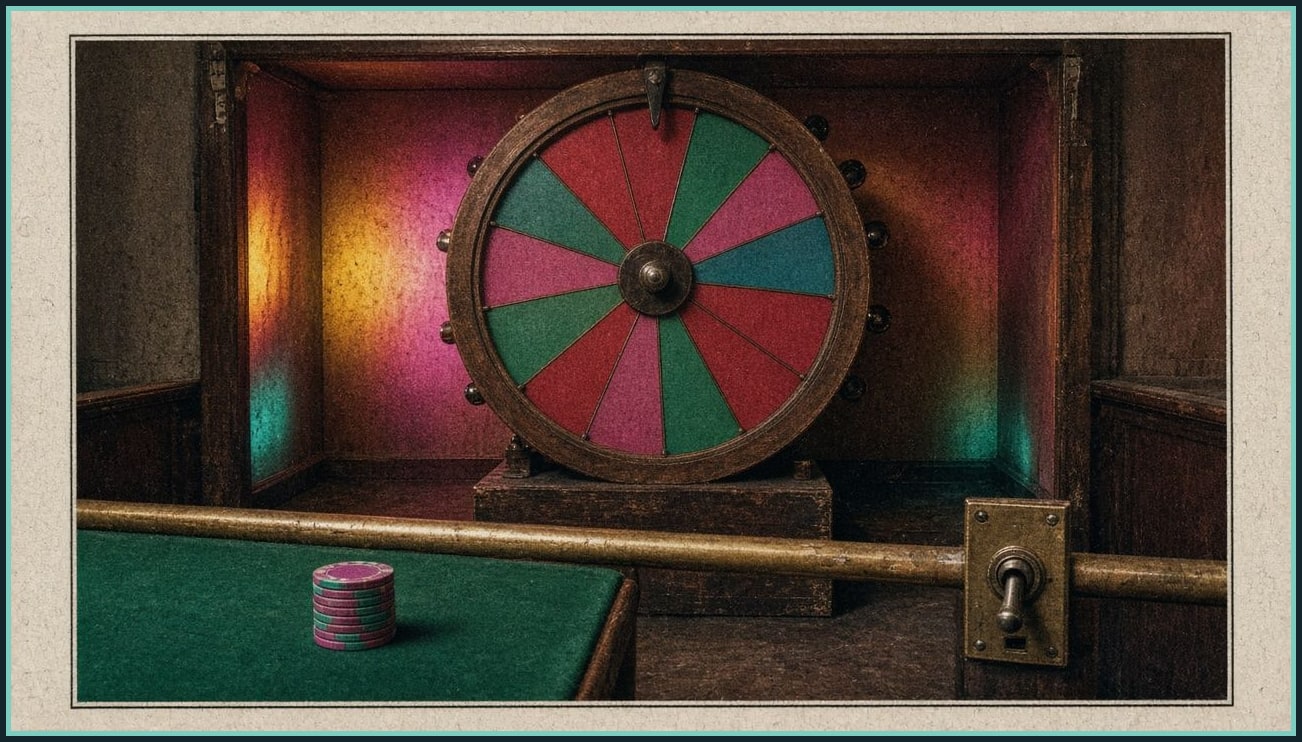
- Article 3(18). A paid-for variable reward system is a virtual item, other than a financial product, that offers a random reward or variable odds and is bought with a payment or with a virtual currency that was itself paid for. Recital 63 names loot boxes, wheels of fortune and collectible card packs, and says they share the speculative features of gambling. Investment services in financial instruments are left out.
- The duty
- Article 15(1) and (2). The trader tells the customer which products or virtual items are in the system and the probability of obtaining them. The trader also gives every customer an effective tool, easy to reach, that turns paid variable reward systems off. The off switch is not limited to children.
- Children
- A minor is anyone under 18. Article 15(3) and Article 16. Where the product is directed at minors, or the trader is aware with reasonable certainty that a minor is using it, the trader must not offer paid variable reward systems, and must not offer pay-to-progress or pay-to-win purchases. Recital 64 keeps the reward ban to items bought wholly or partly with a payment or with paid-for virtual currency. Social networks, video-sharing services, AI companions and general chatbots already covered by the proposed EU Kids Act are outside that minor test.
- Influencers
- Article 3(15). Influencer marketing is a trader using popularity with an audience to promote a product, directly or indirectly, in exchange for payment. Article 11(1) requires the words advertisement or commercial collaboration. Article 11(3) bars a direct push to a minor to buy, or to lean on a parent, and bars a post that hides its commercial purpose, in particular when a minor carries it or appears in it. Article 11(4) bars influencer marketing of a product that Union or national law already forbids anyone to advertise. Recital 55 names betting, lotteries and other gambling products as examples of things that can be harmful or unsuitable, especially for children. The recital does not itself prohibit them.
- What stays national
- Recital 11 pursues full harmonisation. Unless this regulation or a sectoral Union law allows it, a member state should not keep or add a further consumer-protection duty. Recital 12 leaves establishment and authorisation rules in place, including rules that, in line with Union law, relate to gambling. It also leaves a member state free to restrict a commercial practice on health or safety grounds. The examples there are alcohol, tobacco and nicotine, and pharmaceuticals.
- The clock
- Article 40. Entry into force on the twentieth day after publication in the Official Journal. Application from 12 months after entry into force. Both spans are still in square brackets in the draft. Parliament and the Council have not adopted the text. The press release of 11 November presents the proposal. It is not a law in force.
- The trade body
- European Gaming and Betting Association, Brussels, 12 November 2026. Interim secretary general Pierre Tournier. The association says more rules do not on their own protect customers better, and that the act should sit on national and Union safeguards already in place, avoid a second copy of the same duty, and leave firms sure of the rule. It also says protection cannot stop with licensed operators. The release says members hold more than 400 online licences across 22 European countries and about a third of regulated online gross gaming revenue in Europe. Those two counts are the association's.
The European Commission has tabled a consumer regulation that treats a paid loot box as close enough to a wager to need odds on the label, and an off switch. The file is dated Brussels, 11 November 2026. It is COM(2026) 1100 final, procedure 2026/0356 (COD), a proposal for a regulation on fair business-to-consumer commercial practices, repealing Directive 2005/29/EC. The short title is the Digital Fairness Act. iGaming Business reported it on 12 November. The counts below are from the draft this desk opened, not from the trade write-up.
The draft would turn the 2005 unfair-practices directive into a regulation. A regulation applies as written in every member state. No national statute has to copy it in. The legal basis is Article 114 of the treaty, the internal-market article. A press release the same day presents the text as part of a wider consumer package. Parliament and the Council still have to adopt it. Nothing in Article 40 is in force.
Article 3(18) defines the thing being regulated. A paid-for variable reward system is a virtual item, other than a financial product, that offers a random reward or variable odds. The customer gets it by a payment, or by spending a virtual currency that was itself paid for. Recital 63 gives the examples: loot boxes, wheels of fortune, collectible card packs. The recital says those items can push spending the customer did not mean to make, and that they can be harmful because they share the speculative features of gambling. A financial instrument whose return varies is not in the definition. The recital says investment services of that kind should not be treated as variable reward systems.
Article 15 is the operative duty, and it is short. A trader who offers the system tells the customer which products or virtual items are inside it, and the probability of obtaining them. The same trader gives every customer a tool, easy to reach and actually effective, that turns paid variable reward systems off. The off switch is for customers in general. It is not a children’s setting. The draft does not say what the button must look like.
The children’s rule is a ban, not a label. Article 3(16) says a minor is any natural person under 18. Article 15(3) applies where the product is directed at minors, or where the trader is aware with reasonable certainty that a minor is using it. In that case the trader must not offer paid variable reward systems to minors. Article 16 uses the same test for pay-to-progress and pay-to-win mechanisms. Article 3(19) defines those as in-game or in-app purchases that are necessary, or are presented as necessary, for progress or success, again bought with a payment or with paid-for virtual currency. Recital 64 is the limit on the reward ban. It covers systems acquired in full or in part through a payment or through paid-for virtual currency. A random prize that cannot be bought is outside that sentence. Providers of online social networks, video-sharing services, AI companions and general conversational chatbots drop out of the minor test where the proposed EU Kids Act already imposes the same prohibition.
Gambling proper enters through the influencer articles, and more narrowly than a headline suggests. Article 3(15) defines influencer marketing as a trader using popularity with an audience to promote a product, directly or indirectly, in exchange for payment. Article 11(1) says the commercial intent has to be disclosed in a clear, prominent and unambiguous way. The draft names the two phrases that count: advertisement, or commercial collaboration. Article 11(3) then forbids three things. A direct exhortation to a minor to buy, or to persuade a parent or another adult to buy. A pose that the post is not commercial when it is, in particular when a minor carries the post or appears in it. And an impression that a product is appropriate for minors when it is not.
Article 11(4) is the line that can reach a bookmaker. A trader must not carry out influencer marketing of a product that Union or national law already prohibits anyone from advertising. The article points at products covered by the audiovisual media directive as part of that class. It does not list gambling. Recital 55 does. It says some influencers market products that could be harmful, or unsuitable for consumers in general or for minors in particular, and it gives speculative instruments, betting, lotteries and other gambling products as the examples. The next sentences send the reader back to bans that already exist, in Union law or in national law, whether the ban is general, limited to advertising aimed at minors, or limited to particular speakers. The recital’s own conclusion is that influencer marketing should be prohibited for products whose advertising is already prohibited. Where a member state already forbids a gambling advertisement, a paid influencer post for that product would be forbidden too. Where a member state still allows the advertisement, Article 11(4) does not invent a new ban. The disclosure duty and the minor-exhortation duty would still apply.
Article 11(6) puts the brand on the hook. A trader who uses an influencer’s services has to make sure, by contract or by some other appropriate means if there is no contract, that the person posting complies with the regulation. Recital 56 says payment is not only cash. Any consideration with an asset value counts, and a gift or an invitation can be enough even when no formal contract was signed.
Two recitals set the boundary with national gambling law, and they pull in different directions. Recital 11 says the regulation is meant as full harmonisation. Unless this text or a sector-specific Union law allows it, a member state should not keep or impose further obligations whose purpose is a higher level of consumer protection. Recital 12 then says the regulation is without prejudice to rules on establishment and on authorisation, including rules which, in conformity with Union law, relate to gambling activities. A member state could still restrict a commercial practice on grounds of health and safety. The examples in that recital are alcohol, tobacco and nicotine products, and pharmaceuticals. Gambling licensing is named. A gambling advertising code is not given its own saving clause.
The European Gaming and Betting Association answered on 12 November, from Brussels. Interim secretary general Pierre Tournier said that adding rules does not on its own protect customers better. The association wants the act to rest on safeguards that national gambling law and Union law already set, to avoid a second copy of the same obligation, and to leave a firm able to tell what the rule is. It shares the Commission’s stated aims on minors, on misleading practices and on transparency, and it says those aims match work its members already do on advertising and player protection. Tournier added that protection which stops at licensed sites misses the illegal ones, which ignore player-protection standards. The release says members hold more than 400 online licences across 22 European countries and account for about a third of regulated online gross gaming revenue in Europe. Those two figures are the association’s. This desk did not recount them. The association says it will now read the proposals in detail and talk to Parliament, the Council and the Commission while the file moves.
Article 40 is the timetable, and it is still a draft timetable. The regulation would enter into force on the twentieth day after it appears in the Official Journal, and it would apply from 12 months after that entry into force. In the file both spans sit in square brackets. Until Parliament and the Council adopt a text, and until that text is published, a paid loot box is under whatever national rule already applies.