A daily mission bought one spin, worth at most £10.
Over the 28 days of the offer the ceiling was £7,000 deposited and £28,000 wagered. The authority said the ad cast gambling as a task with another finish line after the first. That ad must not run again in the same form.
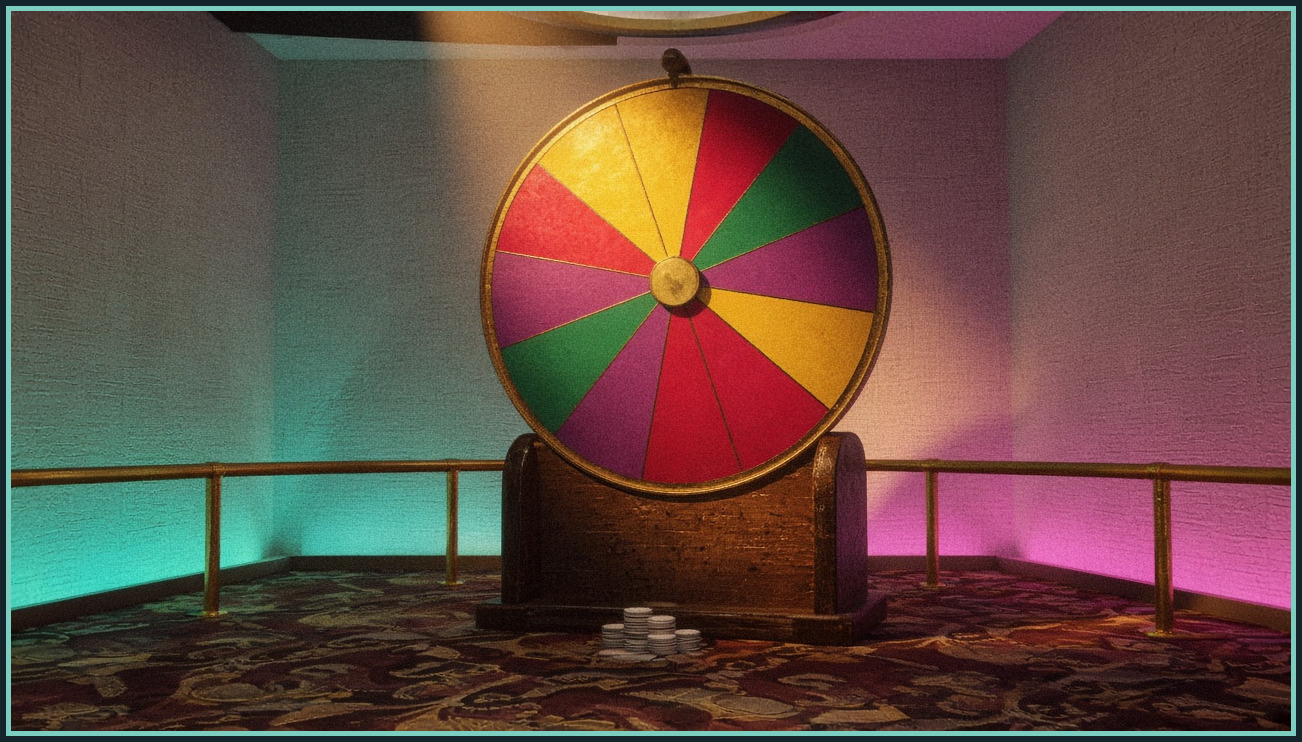
- Ruling
- Upheld on 11 November 2026. Paid internet display, seen in August 2026. One complaint, reference A26-1352448. No agency was confirmed. The lead came from the authority's Active Ad Monitoring system.
- Advertiser
- Recro Ltd, trading as Casumo, Unicorn Centre, Triq Il-Uqija, Swieqi, SWQ 2335, Malta. The small print kept the offer to UK players aged 18 and over.
- The mission
- 6 July to 2 August 2026. Deposit £50 and wager £200 for one wheel spin, up to five a day. Each spin paid up to 100 free spins at £0.10, a maximum of £10, expiring after 48 hours.
- The ceiling
- Five missions in a day: £250 deposited and £1,000 wagered. Across the 28 days: £7,000 deposited and £28,000 wagered. The ruling prints those maximums. It does not say anyone reached them.
- The order
- The ad must not appear again in the form that was challenged. Later promotions must not encourage behaviour that is socially irresponsible or could lead to financial harm. Breach of CAP Code (Edition 12) rules 16.3 and 16.3.1.
The UK Advertising Standards Authority has upheld a case against a paid display ad for Casumo, an online gambling site. The decision, on Recro Ltd, is dated 11 November 2026. SBC News reported it the same day. What follows is from the ruling, which this desk opened.
The ad was seen in August 2026. Its main line offered up to 100 spins on a promotion named Spinumo, next to a sign-up button and the three words QUEST. SPIN. WIN. The small print ran the offer from 6 July 2026 to 2 August 2026, kept it to UK players aged 18 and over, and required the customer to opt in. One person complained. The reference is A26-1352448. No advertising agency is confirmed. Recro’s address on the ruling is the Unicorn Centre, Triq Il-Uqija, Swieqi, SWQ 2335, Malta.
The small print is also the price of a spin. A daily mission was a deposit of £50 and wagering of £200. That pair earned one turn of the Spinumo wheel, and a customer could take up to five turns in a day. Each turn paid a random number of free spins, at £0.10 a spin, up to 100. The authority puts the most those free spins could be worth at £10. They expired 48 hours after they were credited. Recro told the authority that winnings from them did not have to be wagered again.
Recro’s answer was that the promotion was aimed at eligible UK customers who chose to join, and that one mission was enough for one spin. After each mission the customer could stop. Five in a single day would mean deposits of up to £250 and wagering of up to £1,000, and Recro called those sums the most the mechanic allowed. It said an amount wagered is not an amount lost. It said QUEST. SPIN. WIN. named the steps of the offer. It was not, Recro said, a claim that gambling was a way to get money, a push past what a customer could afford, or an instruction to stay until a particular result arrived. The significant conditions were on the ad, and a prize of up to 100 free spins was a prize the wheel could give.
The authority agreed the customer could stop, and still upheld the complaint. Another mission meant another £50 deposited and another £200 wagered, in return for another chance at the same kind of prize. The possibility of 100 free spins on every turn was, it said, a reason to take the next mission. Five missions is £250 deposited and £1,000 wagered in one day. The promotion lasted 28 days, so the full run is £7,000 deposited and £28,000 wagered. The ruling agrees that wagering is not the same as losing, and that a customer could take fewer missions. It still found a push toward a large amount of gambling, on a fixed daily rhythm, inside a short promotion. A further prize later the same day, and on the days after, kept that pressure in place.
The authority’s objection to the words was separate from the arithmetic. A task called a daily mission, set next to QUEST. SPIN. WIN., framed the gambling as a job with a finish line, and then another. Five spins a day made that finish line the largest number on offer. Permission to skip the next mission did not clear the risk, and the authority said the risk was sharper for customers who are more vulnerable. It also set the qualification against the prize. Each chance at free spins worth at most £10 asked for a £50 deposit and £200 of wagering. The authority called that a heavy qualification for a light prize, and said the invitation to repeat it raised the chance of play that would not have happened otherwise.
The ruling places the ad in a wider review of gambling advertising. It was selected after the authority’s Active Ad Monitoring system, which uses artificial intelligence to look for online ads that may break the rules, gathered the lead. The breach is of rules 16.3 and 16.3.1 of the CAP Code, Edition 12. This desk opened the gambling section of that code. Rule 16.3.1 says a marketing communication must not portray, condone or encourage gambling behaviour that is socially irresponsible or could lead to financial, social or emotional harm. The ruling’s own conclusion is the financial limb of that rule: the ad encouraged behaviour that was socially irresponsible or could lead to financial harm. The order is that this ad must not be used again in the version that was challenged, and that later Casumo promotions must not encourage that behaviour. The assessment also cites CAP guidance on responsibility and problem gambling, for the point that marketers should take care not to press people into frequent or repetitive play. This desk did not open that guidance.